START TODAY! | FREE TRIAL

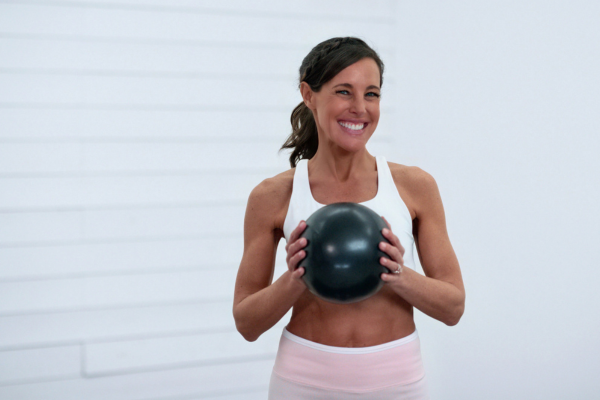
After 40, many women feel constantly inflamed. Puffy, fatigued, and stuck despite working out harder. The surprising truth? Exercise itself is one of the best solutions to chronic inflammation but only when done the right way.
I’ve helped over 85,000 women navigate perimenopause and menopause, and the biggest game-changer isn’t doing more. It’s learning how to train smarter, so inflammation works for you instead of against you.
Strength training creates a healthy, short-term inflammatory response that triggers muscle repair and growth. The problem arises when recovery is poor, muscle confusion is excessive, or you stack workouts without rest. That turns helpful inflammation into chronic inflammation — the kind that causes plateaus, joint pain, and that “puffy” look many women notice in their 40s.
Inflammation is a vital part of the body’s immune response, but it can become chronic and detrimental when driven by poor nutrition, stress, lack of exercise or too much exercise.
Chronic inflammation also happens when you ‘seek the sore’, do too much muscle confusion and/or don’t get in your daily steps.
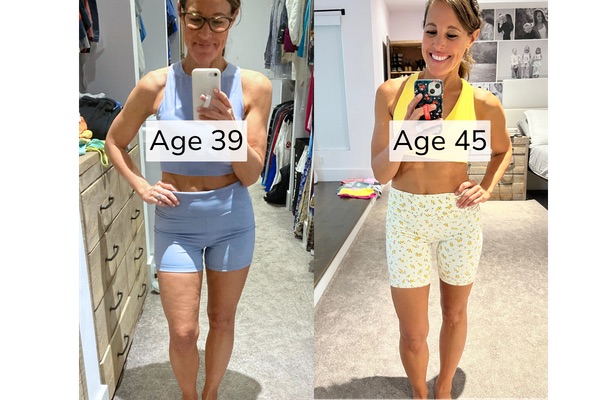
When you strength train, inflammation is a natural response of the body. Here’s what happens:
Problems occur when a training schedule is not properly managed, inflammation can become chronic leading to a host of problems that can impede progress and negatively impact overall health. When this happens, you hit plateaus and stop seeing results.
Recovery is a critical component of any strength training program. During recovery periods, the body repairs and strengthens muscles, replenishes energy stores, and adapts to the stress of training. Without adequate recovery, you won’t see the benefits!
When muscles are not given enough time to recover (roughly 48 hours), the inflammation that occurs as part of the natural repair process can become chronic. This chronic inflammation can lead to persistent fatigue, decreased performance, and an increased risk of injuries. The perfect example – squats.
I see this scenario often: do a full body strength workout on Monday and Tuesday do a HIIT workout with plyometrics and squats. While you might see temporary results upfront, the Tuesday workout just disrupted the recovery process specifically for the lower body. This leads to chronic inflammation – the opposite of your exercise goals!
Instead we should either do strength workouts every other day OR do muscle splits where different muscle groups are worked on consecutive days!
In our Weekly Schedule we do intentional exercises for each muscle group. You won’t find multiple squats and lunges, instead we do hip hinges or glute push-ups for the glutes. We do hack squats and elevated heels for the thighs. These muscle splits give proper recovery before training again.
Muscle confusion is a term you hear in the fitness industry. It is beneficial, but too much isn’t a good thing. It’s a strategy used in strength training that involves frequently changing exercises or the type of resistance used to prevent the body from adapting and hitting a plateau.
Continuously challenging muscles with new movements can place undue stress on the musculoskeletal system leading to micro-tears and inflammation that don’t have time to heal properly. Constantly changing exercises can prevent muscles from adequately recovering leading to persistent soreness and inflammation.
The central nervous system (CNS) also needs time to adapt and recover. Constantly varying exercises can lead to CNS fatigue which can impact overall performance. While muscles can fully recover from a single session of exercise given the proper rest, the nervous system may still be dealing with cumulative stress.
The answer? Less is more. For our programs, we use undulating periodization.
So many of us seek the sore! But too much soreness isn’t a good thing. When you start a program, it’s normal and natural to have soreness. That soreness shouldn’t necessarily be a continual thing.
When you’re sore, particularly from a previous workout, it’s usually due to muscle inflammation and micro-tears. Strength training while sore can have several potential downsides:
Should I work out when sore? I recommend you walk, walk, and walk. This low-intensity cardio promotes blood flow and aids recovery while getting rid of metabolic waste.
Strength training isn’t the problem. Too much exercise without enough recovery is. In fact, healthy muscle may be one of the best defenses against some of the metabolic changes and inflammation that become more common after 40.
As estrogen declines, women naturally become more insulin resistant, lose muscle, gain visceral fat more easily, and experience more inflammation. Strength training directly targets all four.

While strength training helps build your metabolic armor, walking may be one of the most effective tools for calming the nervous system and reducing overall stress on the body.
Walking is a game changer when it comes to inflammation! New research confirms what I’ve seen with thousands of women: properly programmed strength training (2–3x per week with good recovery) lowers chronic inflammation markers, while daily walking is one of the most powerful tools for clearing inflammation and supporting hormone balance in women over 40.
Regular zone 2 cardio e.g. walking, has been shown to have anti-inflammatory effects by reducing levels of inflammatory markers. Zone 2 is cardio that doesn’t spike your heart rate.
Walking helps in ridding the body of metabolic waste through several physiological processes.
How much should I be walking? I recommend a 20-30 minute outdoor walk every morning. Aim to accumulate 8k+ steps (including that morning walk). Do this by moving every hour…pacing on calls, moving after meals, taking a lap for a brain break.
In a University of Birmingham study of ~200 older adults, those doing 3,000 steps/day or fewer had really high inflammation. Those doing 5,000–7,000 steps/day dropped inflammation by 50%. Those doing 10,000 steps/day had no (age-related) inflammation.
Most women see the best results and lowest inflammation with this simple structure:
Proper hydration.
Good quality sleep.
Daily Walking
Good nutrition with antioxidants! Fruits and vegetables eat up the inflammation.
Get rid of foods that trigger inflammation with the elimination diet.
Try our Weekly Schedule for Free!
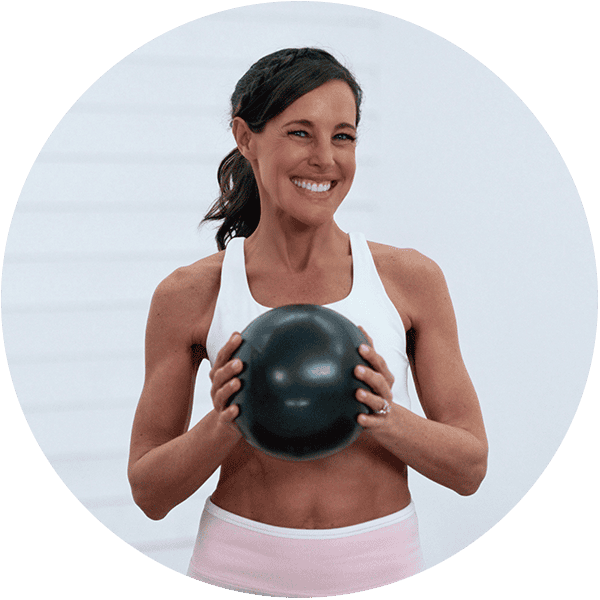
Lindsay Brin holds a degree in Exercise Science and has over 20 years of experience helping women, especially women over 40, build strength and redefine what fitness means for life. She has certified Pilates instructors and CPTs across the U.S. and developed a fitness course accredited by National Academy of Sports Medicine (NASM) and American Council on Exercise (ACE).
But her most transformative learning came after 40, when she began experiencing perimenopause. Lindsay immersed herself in the science of aging, hormones, walking, HIIT, and strength training—ultimately developing a method that works with your body, not against it.
This is now the foundation of Moms Into Fitness, which has helped over 85,000 women rebuild strength, renew energy, and create lasting results.