START TODAY! | FREE TRIAL


Three weeks. That’s all it took for my body to start changing — seven inches gone, better sleep, and more energy than I’d felt in months.
I didn’t overhaul my diet or double my workouts. I walked every day and slowed down enough to breathe again.
But just like progressive overload in strength training, my body adapted. I had to tweak things to keep seeing results.
What surprised me most? It wasn’t just physical. My stress levels dropped, my cravings steadied, and I stopped feeling like my body was fighting me. That’s when I dug into why walking is so powerful in our 40s, not only for hormones, but also for the nervous system that regulates them.
Ready to start? Grab my Free Walking Cardio Guide — your simple plan to lose fat, lower cortisol, and feel amazing in your 40s. Backed by leading research and real-world results from thousands of women.
In our 40s, hormones that once stayed steady begin to fluctuate, changing how we handle stress, recovery, and body composition.
Walking is powerful for hormones, but also for the nervous system that regulates them. When your nervous system is balanced, cortisol, estrogen, and progesterone work in better rhythm—supporting energy, metabolism, and recovery.
Walking is more than calorie burn. It’s a signal to your body that you are safe.
When cortisol runs high, your sympathetic (fight-or-flight) system stays switched on. Walking, especially at a steady pace outdoors, activates the parasympathetic (rest-and-restore) branch.
That’s why walking feels so restorative. It’s not “easy cardio.” It’s low impact but metabolically powerful, it strengthens your aerobic system while calming your nervous system. You’re teaching your body to move out of stress mode.
Benefits of Zone 2 Walking – Burns fat efficiently, improves body composition, lowers stress and inflammation, supports recovery between strength sessions and regulates sleep and daily energy.
How much, how often, and at what intensity makes all the difference.
Walk 30 minutes, outdoors when possible. Use the Talk Test. You’re breathing deeper but can still talk in full sentences, the pace you’d walk if you were late to school pickup. This is called Zone 2, your body primarily uses fat for fuel while improving endurance.
Longer moderate intensity sessions, especially beyond 45 minutes or when under-fueled, can keep cortisol elevated for too long. That’s why we focus on 30–40 minutes instead of chasing 10k steps at once.
Once you’re consistent with walking and strength training, layer in one or two short Sprint Interval Training (SIT) or HIIT sessions each week.
Keep it simple – During a 30 minute walk include 2–8 short sprints of about 20 seconds, followed by full recovery walking. These brief efforts improve insulin sensitivity, mitochondrial health, and bone strength.
Research shows SIT improved insulin sensitivity and aerobic capacity as much as 45 minutes of steady cycling and SIT reduced abdominal fat and improved fitness in postmenopausal women.
Most SIT and HIIT studies showing major improvements use two 10–20 minute sessions per week. Higher weekly volumes raise cortisol, slow recovery, and don’t increase fat loss beyond this threshold. If you are under high stress, what I call “wired and tired”, or not sleeping well, stick with walking only.
Beyond your 30 minute walk, all daily movement counts, including stairs, errands, pacing on calls, and walking between tasks. This is called non-exercise activity thermogenesis (NEAT), and it keeps your metabolism active throughout the day.
You don’t need to do all steps at once. Spreading activity throughout the day supports steady energy, recovery, and balanced cortisol. Even short bursts of movement after meals makes a real difference.
Research shows health and longevity benefits begin around 4,000 steps per day, with the biggest payoff between 7,000 and 12,000 steps. Below 4,000 is considered sedentary.
Walk outdoors when you can. Natural light, even on cloudy days, helps regulate your circadian rhythm and hormones.
Use a walking pad or indoor SIT workout when getting outside isn’t realistic. On busy days, aim for 4,000 to 5,000 steps spread throughout your day. Short walks after meals or between tasks add up.
If you’re in your 40s, bone health has probably crossed your mind. One of the biggest questions I hear is whether walking strengthens bones too, or if you need to add something else.
Walking is incredible for your heart, stress levels, and metabolism, and it provides weight bearing movement, which is important. But it doesn’t create the strong, fast forces bones need to get stronger. Research in women during and after menopause shows that bones respond best to meaningful load and quick bursts of force, such as heavy squats during strength training or producing a short burst of power during a sprint.
The good news is you don’t need a separate “bone workout.” If you strength train 2–3 days a week and lift a weight that challenges you for 6–12 reps, you are already hitting the strongest, most proven stimulus for bone density. Use the kind of weight that feels heavy by rep 6–12, which lines up with about 65–80% of your 1RM. This is the intensity range most consistently linked with lumbar spine and hip improvements. Daily walking supports this by adding gentle impact throughout your day, and adding one or two short SIT sessions introduces the quick push off bones also benefit from.
What about weighted vests? Earlier research in older adults suggested potential benefits, but newer findings in midlife women (2025) show that vest walking alone still isn’t strong enough to meaningfully improve bone density. Vests are great for intensity, but they don’t replace loading the hips and legs with strength training.
Small jump or landing drills can help if your routine lacks load or power. Programs like Osteo-Gains use a few minutes of controlled landings to target the hips and spine. The key isn’t jumping high; it’s creating a quick burst of pressure through your feet when you land.
If you’re already strength training, walking daily, and sprinkling in a few sprints during one or two walks each week, you’re covering all the major pathways bones respond to without needing a separate or overwhelming program.
This is why our Weekly Schedule includes this type of strength training, daily walking, and one or two SIT or HIIT sessions. Together they provide the load, impact, and variety bones need.
Walking lowered my cortisol, reduced inflammation, and changed my body composition fast, but to keep those results and stay strong long-term, strength training is key.
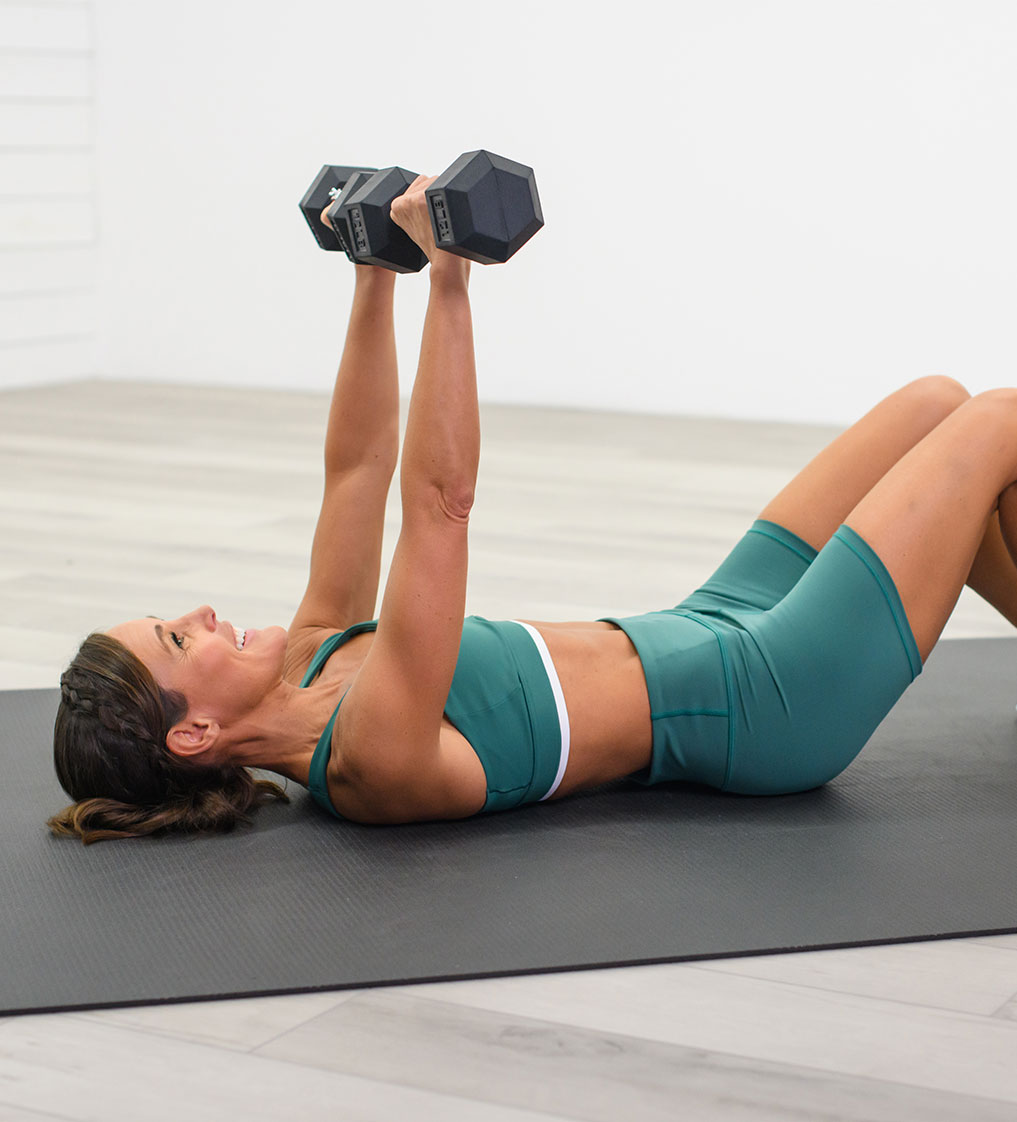
Lifting 2-3x/week preserves lean muscle, improves insulin sensitivity, and supports metabolism. It also builds the strength and stability that help you move confidently and prevent injury.
Walking and strength training work together beautifully. Walking calms the nervous system and burns fat efficiently; strength training keeps your muscles active, your metabolism steady, and your body capable as you age.
Your weekly formula:
Together, this covers everything your body needs for better body composition, fat loss, bone density, hormone balance, and energy.
Ready for a plan that brings it all together? Explore our Weekly Schedule which combines strength training, daily walking, and one to two short SIT sessions for lasting results.
JAMA Netw Open, 2023 (PMID: 36976556);JAMA Netw Open, 2025 (PMID: 40540267);Lancet Public Health, 2025 (PMID: 40713949);Paluch et al., JAMA Netw Open, 2021 (PMID: 34477847);Tucker et al., 2015 (PMID: 24460005);Saint-Maurice et al., JAMA, 2020 (PMID: 32207799);Lee et al., JAMA Intern Med, 2019 (PMID: 31141585);Heng et al., Eur J Prev Cardiol, 2023 (PMID: 37555441);Snow et al., 2000 (No PMID);Liu et al., 2009 (No PMID);Harvard Review, 2019–2022 (cohort data);Rodríguez-Gutiérrez et al., Prev Med, 2024;Boutcher et al., Climacteric, 2019 (PMID: 31210647);Gillen et al., PLoS ONE, 2016 (PMID: 27115137);Milanović et al., Sports Med, 2022 (PMID: 36165995);Metcalfe et al., Sports Med, 2017 (PMID: 28391489);Peng T et al., 2025 (PMID: 39828716);Systematic review (2020, DOI: 10.1186/s12966-020-00978-9);Dupuit et al., Exp Physiol, 2020 (DOI: 10.1113/EP088654).