START TODAY! | FREE TRIAL

By Stephanie M., R.D.
Intermittent fasting is all about timing. The most common approach is the 16:8 method — fasting for 16 hours and eating during an 8-hour window. During the eating period, it’s still important to focus on balanced, nutrient-rich meals rather than overindulging.
As estrogen and progesterone decline, insulin sensitivity drops. This makes it easier to gain weight and harder to lose it, especially around the midsection. Intermittent fasting has been linked to better insulin sensitivity, lower fasting blood glucose, and reduced inflammation, which can help offset these changes.
When you fast, your body first burns carbohydrates for energy. Once those stores are depleted, it shifts to fat as the next fuel source. This can support weight regulation and help reduce inflammation.
Early studies also suggest fasting may trigger autophagy — a cellular “cleanup” process that reduces oxidative stress and supports long-term health. While research is still early, the findings are promising.
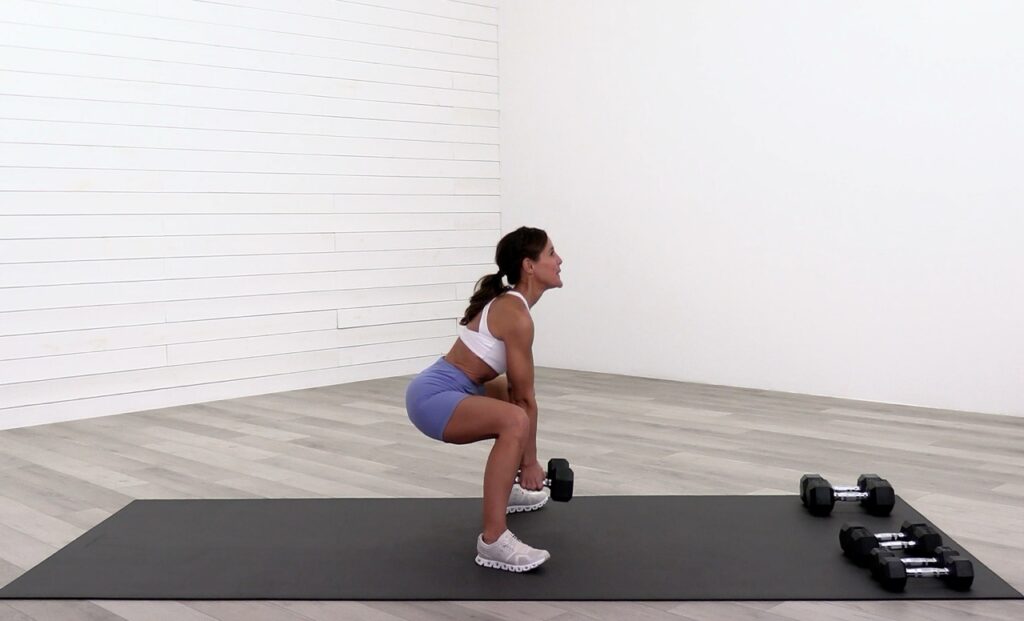
For women who exercise in the morning, training in a fasted state can increase fat oxidation during moderate-intensity workouts. However, lifting weights after many fasting hours may impair performance and recovery because your body lacks fuel to repair muscle.
Best practice includes aligning your meals with your workouts:
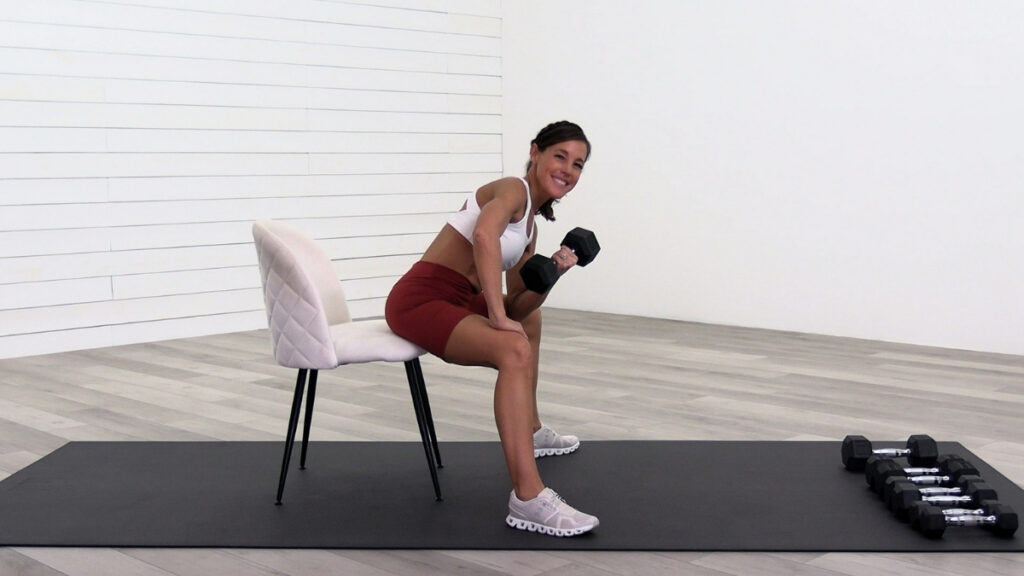
Focus on balanced, nutrient-dense meals with adequate protein to support muscle and bone health during perimenopause.
Breakfast / First Meal Ideas (if breaking fast mid-morning):
– Greek yogurt with berries and almonds
– Eggs with spinach and avocado
– Protein smoothie with spinach, protein powder, and nut butter
Lunch / Dinner Ideas:
– Grilled chicken or salmon with roasted vegetables and quinoa
– Turkey or lentil stir-fry with broccoli and brown rice
– Large salad with mixed greens, chickpeas, feta, olive oil dressing, and pumpkin seeds
Snack Ideas (if needed within the eating window):
– Apple with almond butter
– Cottage cheese with cucumber slices
– Handful of walnuts or a hard-boiled egg
– Protein Banana Pancakes … find it in our Recipe Box

Strength training is one of the best ways to preserve muscle and bone during perimenopause, but fueling becomes especially important as estrogen declines. Exercising in a fasted state may be fine for walking or moderate cardio, but lifting weights requires more support.
If you’re deep into a fast and plan to strength train, a small pre-workout snack, like a piece of fruit, can improve performance and recovery. After lifting, eating protein is essential to repair muscle and protect bone health. Most importantly, listen to your body — if fasting leaves you feeling depleted or unable to recover, adjust your eating window to support your training.
Women with insulin resistance, pre-diabetes, or difficulty losing weight may find intermittent fasting particularly helpful. Eating earlier in the day or shortening eating windows can also support circadian rhythm and improve sleep quality.
Intermittent fasting is not for everyone. Pregnant and breastfeeding women should avoid it, and those with thyroid conditions need to be cautious, especially if medication timing is affected. Women with a history of disordered eating may also find fasting triggering.
Some research suggests fasting may increase cortisol in certain women. If fasting leaves you feeling more stressed or depleted, it may not be the right fit.
Intermittent fasting can be a useful tool in perimenopause and menopause, supporting weight management, insulin sensitivity, and reduced inflammation. The key is pairing fasting with strength training, balanced meals, and proper recovery. Most importantly, listen to your body and adjust as needed.
Intermittent fasting can be a useful tool in perimenopause and menopause, supporting weight management, insulin sensitivity, and reduced inflammation. The key is pairing fasting with strength training, balanced meals, and proper recovery. Most importantly, listen to your body and adjust as needed.
For women who exercise in the morning, training in a fasted state can increase fat oxidation during moderate-intensity workouts. However, lifting weights after many fasting hours may impair performance and recovery because your body lacks fuel to repair muscle.
Best practice includes aligning your meals with your workouts: Small pre-workout snack if lifting while fasted, eat something light such as a piece of fruit to provide quick energy. Post-workout protein: Open your eating window soon after strength training and include protein to support muscle repair and bone health.
Intermittent fasting is not for everyone. Those with thyroid conditions need to be cautious, especially if medication timing is affected. Women with a history of disordered eating may also find fasting triggering. Some research suggests fasting may increase cortisol in certain women.

Lindsay Brin holds a degree in Exercise Science and has over 20 years of experience helping women, especially women over 40, build strength and redefine what fitness means for life. She has certified Pilates instructors and CPTs across the U.S. and developed a fitness course accredited by National Academy of Sports Medicine (NASM) and American Council on Exercise (ACE).
But her most transformative learning came after 40, when she began experiencing perimenopause. Lindsay immersed herself in the science of aging, hormones, walking, HIIT, and strength training—ultimately developing a method that works with your body, not against it.
This is now the foundation of Moms Into Fitness, which has helped over 85,000 women rebuild strength, renew energy, and create lasting results.